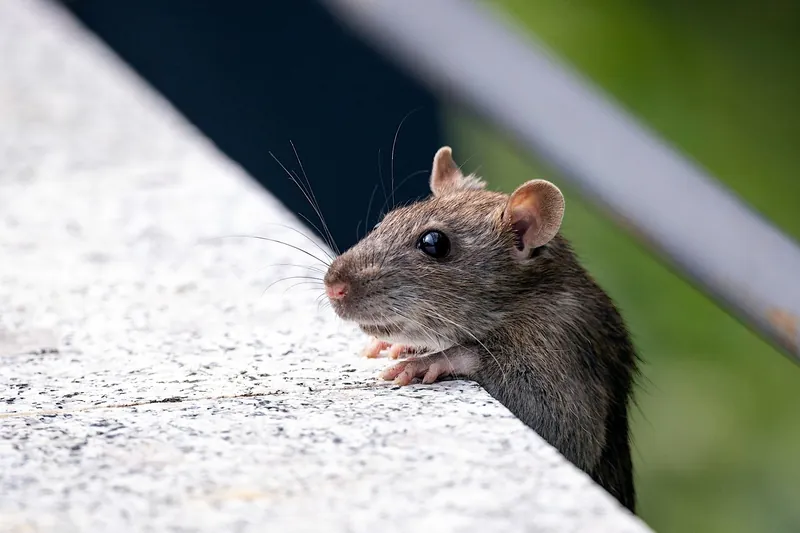
Rodent Droppings and Hantavirus Cleanup
Attics, basements and crawl spaces receive cleanup for rodent droppings and hantavirus.
See rodent droppings and hantavirus cleanupGet bird or bat droppings, soiled insulation, nesting debris and odor removed from an attic, roof space or building in Abell. Cleanup begins after wildlife exclusion is complete.
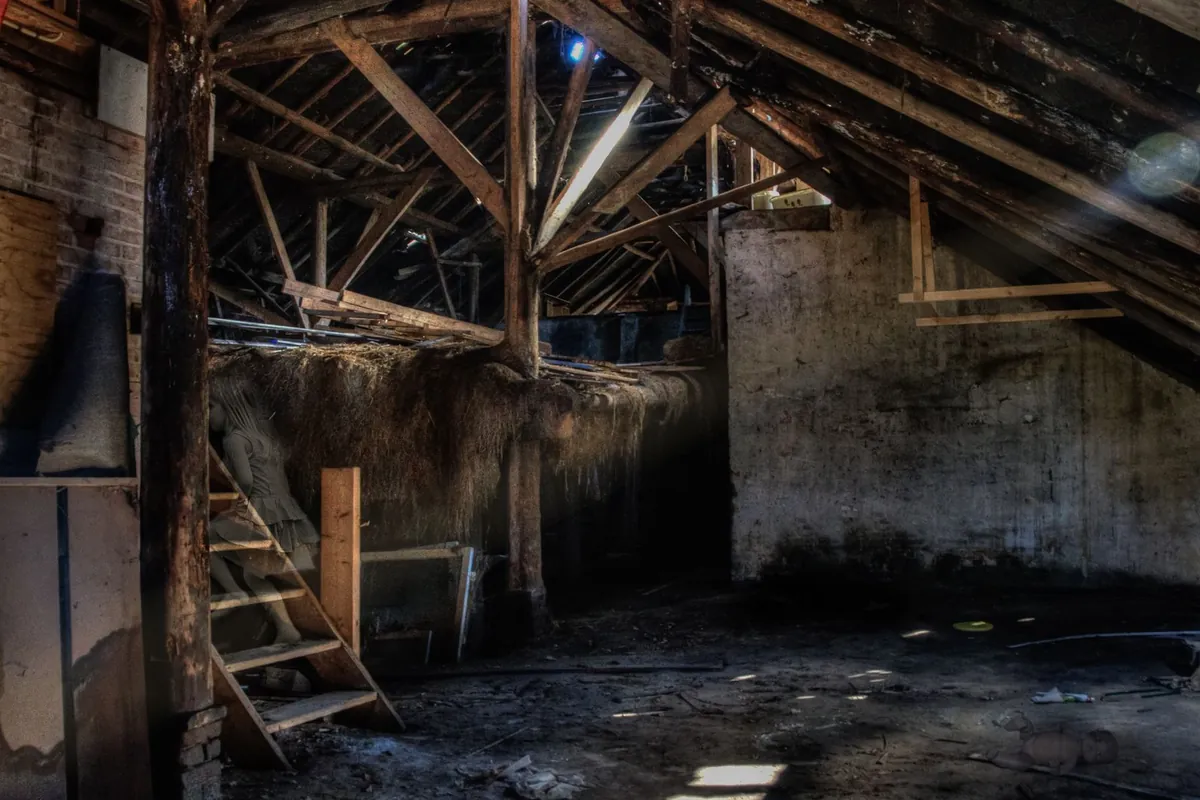
Controlled collection of bird or bat droppings, nesting material, urine residue and contaminated insulation is known as guano cleanup. The remaining work can include cleaning, disinfection when suitable, odor control and disposal.
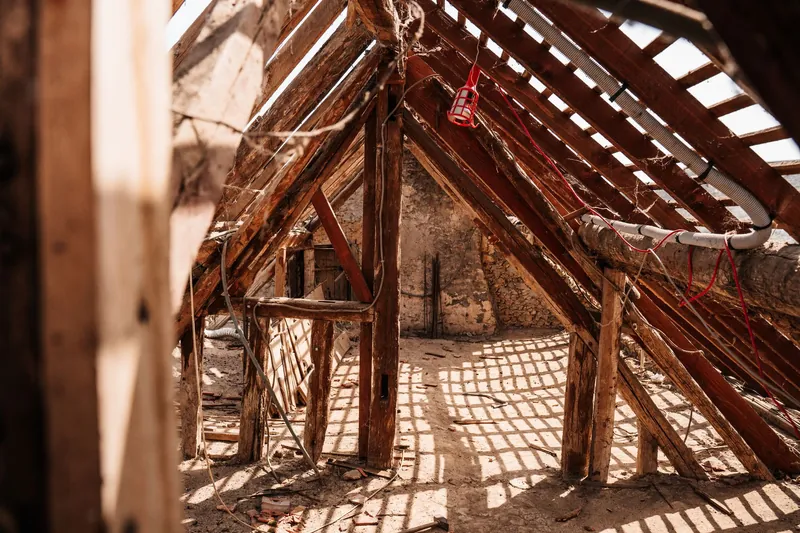
Attics, barns, lofts, wall cavities, roof areas, vents and warehouses are common work locations. Waste may gather below a roost, across stored belongings or throughout insulation. Inspection shows how far the area extends, which air routes are close and whether each material is cleanable or needs removal.
Ordinary sweeping is not suitable for this biohazard work. Once dry waste is shoveled, brushed or collected with a home vacuum, it may crumble into small airborne particles. Containment, appropriate protective gear and HEPA-filtered tools are used during cleanup to reduce dust spreading beyond the work space.
Ask about barriers for the cleanup space, protection along the route and methods used to control the spread of dusty residue.
Ask what the crew plans to clean or possibly remove, how exclusion relates to the work and how the entire process unfolds.
Disposal documentation, work details and before-and-after photos can help you move forward with repair planning or an insurance claim. For a more private visit, unmarked vehicles can be requested.
Affected personal property should be isolated, photographed and reviewed with you before disposal.
When deposits could become airborne, have reached insulation or cover more than one small solid surface, it is worth considering professional cleaning. Common cases include:
Work around loading areas, warehouses, mechanical spaces and signage may be phased so people remain outside the cleanup zone.
Bird waste and nesting debris build up on rafters, roof decking, ledges or equipment near openings.
Residue left behind may be safely removed after access gaps are corrected and a wildlife specialist confirms every bat has exited.
When waste sits by a duct, fan or air intake, careful removal is needed to keep dust outside occupied spaces.
Leave the material undisturbed and restrict the affected space. Before assessment, take these steps to clarify the conditions and avoid tracking residue elsewhere:
Call (888) 440-9227Published guides list minor guano spot cleaning at $500 to $1,200 and standard remediation at $1,500 to $4,000. Full attic restoration is listed at $4,500 to $9,000. Another published range for larger bat-dropping infestations is $600 to $8,500. Your cost depends on the amount of waste, attic size, access and whether insulation must be removed.
The figures shown are national ranges from published cost guides and are not based on an on-site visit. After an on-site assessment, the price for your property is determined and shared with you before cleanup begins.
Ask about cost: (888) 440-9227Coverage from insurance varies according to the cause, policy terms and the length of time the problem developed. Policies may exclude damage considered routine maintenance, infestation or animal activity. If conditions permit, check with your insurer before cleanup starts.
Keep inspection photos, the cleanup scope, invoices and notes about damaged materials. Ask the insurance company what documentation it needs before disposal or restoration.
In a rented commercial property, check which party the agreement assigns to pest control, cleanup, upkeep and roof access.
Ask whether the policy covers animal damage, contaminated insulation, cleanup services and related restoration. Policy coverage can vary between a sudden event and gradual waste buildup.
Property owners usually arrange work that affects the building, attic or shared systems. A lease and local rules can affect who pays for cleanup in a rental.
Each remediation step follows a planned, controlled order. The sequence depends on available access, the state of affected materials, dust-control needs and completed wildlife exclusion.
Cleanup technicians inspect visible deposits, insulation, beams, vents and stored items, then mark the affected areas and safe access route.
No work starts until active wildlife is gone. Entry gaps and exclusion work are reviewed so fresh droppings do not return after cleaning.
The work zone is separated from occupied rooms. Protected floors, sealed routes and suitable protective equipment help confine residue to the affected area.
To control dust, suitable methods are used to collect droppings. HEPA-filtered equipment captures fine particles that a household vacuum can release back into the air.
Insulation or other porous material with deep contamination is bagged for removal rather than treated only at the surface. Clean materials beyond the affected zone may remain in place.
Hard, uncovered materials are cleaned first, then treated with a suitable EPA-registered disinfectant according to the full contact time on its label.
Remaining residue is checked at beams, joints and cavities. HEPA air filtration and source-focused odor removal can improve air quality without covering smell with fragrance.
The work zone is documented by photos and a visual check, followed by details for the property owner about needed insulation or restoration services.
Phone any hour. A specialist in bird and bat guano cleanup takes your call, explains each step and agrees on a start time with you.
Large or disturbed accumulations can create inhalation and contamination risks, especially in dry, enclosed or poorly ventilated spaces.
Low clearance, nails, unstable decking and heavy dust add physical and respiratory concerns. Suitable protective gear and a controlled cleaning process matter as much as the cleaning product.
Loose and fibrous insulation can hold droppings, urine and nesting material below the visible surface. Surface-only cleaning may leave contaminated materials and lingering odor.
Deposits near vents, fans, wall gaps or attic hatches can move into surrounding areas when air flows or people walk through the space.
Can you clean it yourself? For one recent deposit on an undamaged non-porous area, use damp towels and disposable gloves for pickup without sweeping, then clean with a surface-safe product. Seek professional cleanup for extensive deposits, soiled insulation, powerful smells, difficult entry or contamination beside ventilation systems.
The schedule is set after inspection because a surface spot, a contaminated attic and a site needing wildlife exclusion involve different work. Access, dust control, insulation removal, odor and restoration all affect the timeline.
| Scene | Typical time on site |
|---|---|
| Small surface area with clear access | May fit into one planned work visit after inspection |
| Attic with deposits across insulation | Allows for setup of containment, waste removal, cleaning and closing inspection |
| Heavy buildup with exclusion or restoration | Often progresses through separate steps coordinated with exclusion and building repairs |
Source removal comes before lasting odor treatment. First take out droppings, nests and insulation that is deeply soiled, then treat the remaining surfaces. Covering the smell with fragrance leaves residue untouched in cracks, porous items and concealed attic areas.
Treatment of beams and other cleanable materials follows removal, and HEPA filtration can lower work-related dust in the air. Inspection should cover any vent, attic hatch or opening in a wall that may move odor or particles into occupied areas. The cleaned space also needs to stay dry, so moisture and active leaks in the roof should be corrected.
Rules protecting wildlife may shape the timing and method used to exclude active bats or birds. Begin cleaning only after verifying that no animals remain and every required exclusion step has finished.
A disinfectant should be suitable for the target surface, registered by the EPA and kept wet for the full contact time on its label.
Maryland calls this special medical waste, which can include blood-soiled articles. Maryland Department of the Environment rules control how it is handled, transported and treated, so it cannot go in household trash. Local rules for bagged waste, affected insulation and nesting material also need confirmation during cleanup planning.
Local health and building rules can affect how a contaminated room is cleaned and when it can be used again, so mention any notice you have received from the city or county. Local offices responsible for buildings, public health or wildlife can explain other guano cleanup rules involving access, disposal and animals.
The full bird and bat guano cleanup guide covers what is cleaned or removed, odor and air quality work, and the rules that apply in Maryland and Baltimore City.
Read the full bird and bat guano cleanup guide
Containment, entry and cleanup plans can be influenced by local housing, population and access details.
The approximately 0.4 mile trip to MedStar Union Memorial Hospital matters when an injury must be assessed before anyone returns to the affected space.
Oakenshawe, Better Waverly, and Harwood are nearby, which helps define practical routes for crews, equipment, and sealed waste containers.
The neighborhood setting makes privacy especially important when equipment must pass through sidewalks, lobbies, or other visible common areas.
During your call, ask whether cleanup is available in surrounding communities and ZIP codes.
Attics, basements and crawl spaces receive cleanup for rodent droppings and hantavirus.
See rodent droppings and hantavirus cleanup
Dead animal removal and odor cleanup from walls, vents and crawl spaces.
See dead animal removal and cleanup
Urine-saturated materials, ammonia odor and waste are addressed through animal hoarding cleanup.
See animal hoarding cleanup
Blood, body fluids and other infectious materials are removed, followed by property disinfection.
See biohazard cleanup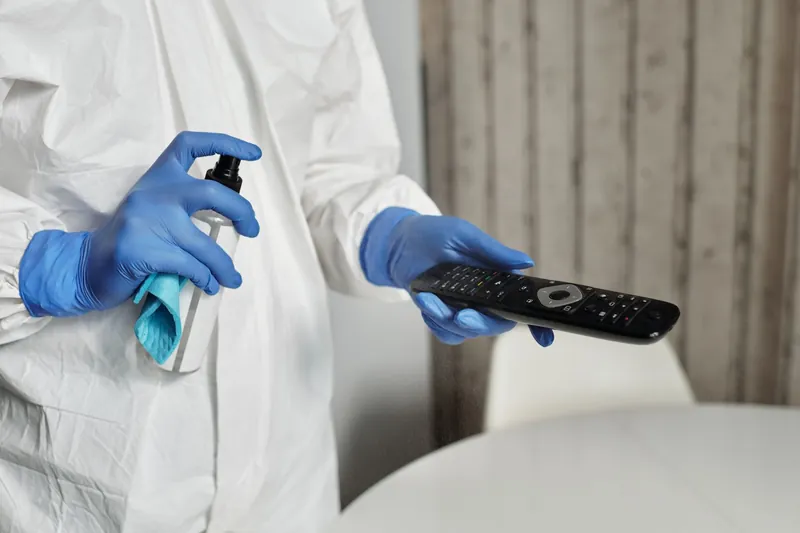
Biological remediation removes contamination so the space can be safely used again.
See biohazard remediation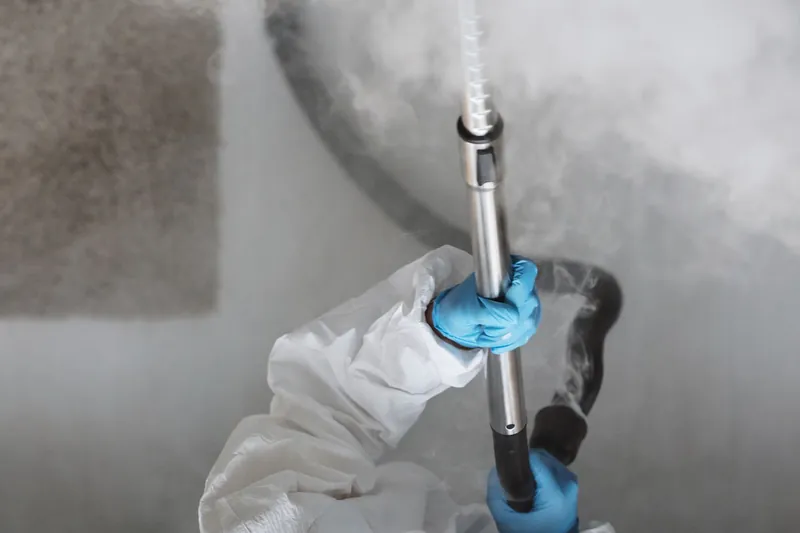
Infectious disease disinfection with EPA-registered products and full surface coverage.
See infectious disease disinfection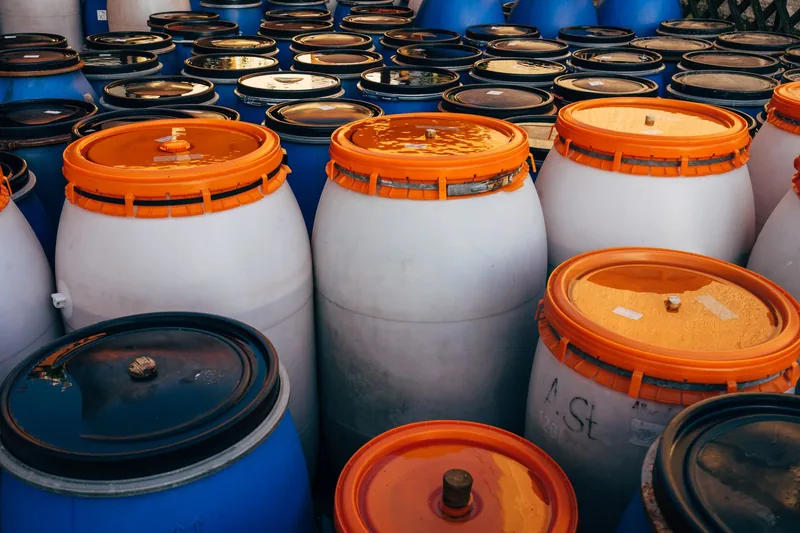
Hazmat cleanup uses suitable protective equipment when addressing hazardous materials.
See hazmat cleanup
Site access and operating needs guide planning for commercial and industrial biohazard cleanup.
See commercial and industrial biohazard cleanupYour coverage depends on the cause and policy terms. Some policies may exclude infestations, damage from animal activity or conditions that formed over time. Check with your insurance company about cleanup, removing insulation and repairs, and ask which photos and documents it needs. Wait for the insurance company to verify your terms before treating cleanup as covered.
Removing the original deposits, nest debris and insulation affected by urine should reduce the smell. Cleanable surfaces are then treated, and hidden joints or cavities are checked for residue left behind. A roof leak, moisture problem or continuing animal entry must also be corrected or the odor can return.
Not necessarily. The location and depth of contamination, along with whether clean insulation can be isolated, determine what needs removal. Removal may be necessary when material is broadly or deeply contaminated. If protection is possible during cleaning, insulation beyond the affected areas does not require removal.
Published cost guides list minor spot cleaning at $500 to $1,200, standard remediation at $1,500 to $4,000 and full attic restoration at $4,500 to $9,000. Factors affecting your cost include buildup depth, attic dimensions, access conditions, removal of insulation and odor work. An inspection is necessary to establish the cleanup scope.
The work area is separated from occupied space, and the access route is protected. With suitable protective gear, cleanup technicians carefully collect waste and use HEPA-filtered equipment where appropriate. They avoid ordinary vacuuming and dry sweeping, remove affected porous material, then clean solid surfaces before applying a suitable disinfectant.
Disturbing a large dry accumulation can release dust and fungal spores into the air. Not every deposit results in illness, and the health risk changes with the amount and site conditions. Avoid sweeping or using a household vacuum. Anyone worried about possible exposure should consult a medical professional.
Discreet, respectful bird and bat guano cleanup, 24 hours a day, with crews in unmarked vehicles.